

Antimicrobial Resistance in Australia and the Growing Role of Natural Minerals in Agriculture, Aquaculture, and Environmental Hygiene
Antimicrobial resistance (AMR), commonly known as antibiotic resistance, is rapidly becoming one of the most serious global public health threats. Antibiotic-resistant bacteria are emerging faster than new antibiotics can be developed, creating a growing crisis in human medicine, agriculture, aquaculture, and animal health.
Recent reporting indicates that around 5,000 Australians die each year from infections linked to antibiotic-resistant bacteria, equivalent to about 100 deaths per week. Globally, antimicrobial resistance is already associated with millions of deaths annually and is projected to become one of the leading causes of death worldwide by 2050.

Governments, scientists, and agricultural industries are increasingly focusing on preventative strategies that reduce pathogens, pests, and environmental conditions that allow bacteria to thrive. Natural mineral materials such as attapulgite clay and diatomaceous earth (DE) are emerging as practical solutions for sustainable farming, organic pest control, soil health, poultry hygiene, aquaculture biosecurity, and pharmaceutical uses such as anti-diarrhoea treatments.
What Is Antimicrobial Resistance?
Antimicrobial resistance occurs when microorganisms such as bacteria evolve mechanisms that allow them to survive exposure to antibiotics that would normally kill them.
Common antibiotic-resistant pathogens include:
• MRSA (methicillin-resistant Staphylococcus aureus)
• drug-resistant Escherichia coli
• Klebsiella pneumoniae
• Enterococcus species
• Acinetobacter infections
These bacteria are responsible for serious infections including:
• sepsis
• pneumonia
• bloodstream infections
• urinary tract infections
• hospital-acquired infections
AMR threatens both human and animal health, and has direct implications for agriculture, aquaculture, and food exports, particularly where antibiotics are used extensively in livestock and fish farming.
Environmental and Aquaculture Drivers of Antibiotic Resistance
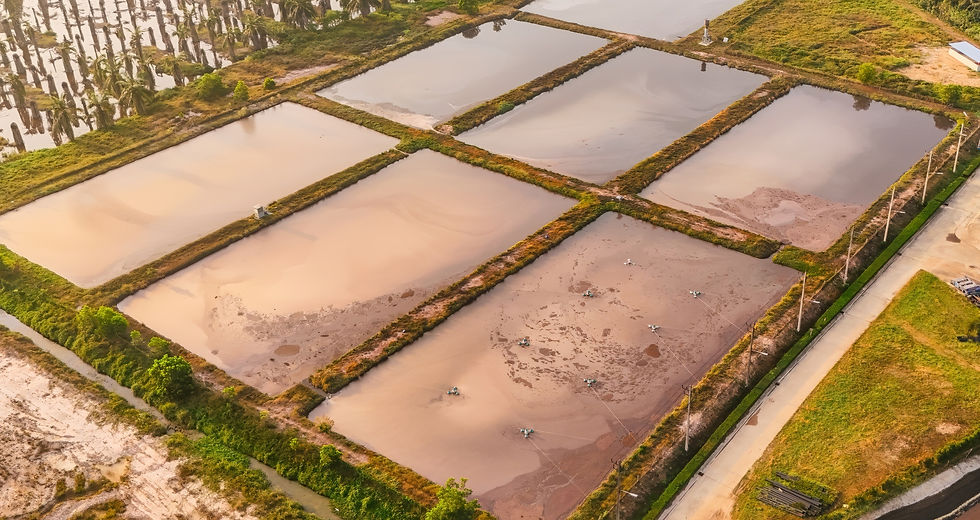
Antimicrobial resistance is strongly influenced by environmental conditions in livestock and aquaculture production systems. High-density animal farming and intensive fish and shrimp farming can create conditions that allow bacteria, parasites, and insect pests to flourish, including:
• high moisture or water retention
• organic waste accumulation
• warm, enclosed or stagnant conditions
• insect populations, parasites, and aquatic pathogens
• contaminated soil, sediment, or water
The Tasmanian salmon industry provides a clear example: heavy antibiotic use to control bacterial infections has caused residues to spread into surrounding waterways, affecting wild fish, shellfish, and marine ecosystems. This contamination poses risks to:
• export markets to China and Asia-Pacific countries, where antibiotic-free seafood is required
• biodiversity and ecological health in estuaries and coastal waters
• the development of antibiotic-resistant marine pathogens
Preventative measures that improve environmental and water hygiene are essential to limit the spread of AMR in aquaculture and agriculture.
Attapulgite Clay and Its Scientific Properties
Attapulgite clay, sometimes called palygorskite clay, is a naturally occurring magnesium aluminium silicate mineral with a fibrous crystal structure and extremely high adsorption capacity. Its properties make it suitable for:
• binding bacterial toxins and mycotoxins in feed
• absorbing excess moisture and organic contaminants
• improving soil structure and crop nutrient retention
• reducing pathogen growth in livestock and aquaculture systems
Attapulgite Clay in Pharmaceutical and Digestive Health Applications
Attapulgite clay is widely used in anti-diarrhoea medications and gastrointestinal treatments. Its mechanism is physical: it adsorbs toxins and excess fluids in the digestive tract without acting as an antibiotic. This helps to:
• reduce diarrhoea in humans, poultry, and livestock
• bind harmful bacterial toxins
• protect intestinal lining
• support digestive health
Because it is non-antibiotic, attapulgite does not contribute to antimicrobial resistance, making it an ideal solution for both animal feed supplements and aquaculture treatments.
Attapulgite Clay as a Soil Conditioner for Agriculture
Attapulgite clay also serves as an effective soil conditioner and mineral additive, enhancing soil fertility and plant resilience. Benefits include:
• retaining moisture in dry soils
• improving soil aeration and root penetration
• increasing cation exchange capacity for nutrient retention
• binding toxins and harmful compounds
• supporting stronger, disease-resistant crops
Healthier crops grown in mineral-enhanced soils are less susceptible to pests, fungal infections, and environmental stress, reducing the need for chemical pesticides.
Diatomaceous Earth as a Natural Pest Control Solution
Diatomaceous earth (DE) is a silica-based mineral formed from fossilised diatoms. Its sharp, porous particles physically damage insect exoskeletons and absorb protective lipids, causing dehydration and death. DE is effective for organic pest control and natural insect management, including:
• mites, lice, and ants
• beetles, fleas, and cockroaches
• stored grain and crop pests
DE is safe for poultry, livestock, and humans, and because its action is mechanical rather than chemical, insects cannot develop resistance.
Poultry Hygiene and Livestock Health
Poultry and livestock housing can become hotspots for bacteria, parasites, and insects if hygiene declines.
Common issues include:
• mite infestations
• fly populations
• ammonia buildup
• wet bedding and litter
• bacterial contamination
Mineral products containing DE and attapulgite clay improve hygiene by:
• absorbing moisture from bedding and litter
• reducing odours and ammonia
• controlling insect populations
• maintaining cleaner, pathogen-reduced environments
Healthier animals require fewer antibiotics, helping to combat antimicrobial resistance and improve food safety.
Integrated Mineral Solutions for Agriculture and Aquaculture
Combining attapulgite clay and diatomaceous earth in integrated environmental management systems supports:
• soil health and crop productivity
• natural pest control without chemical pesticides
• hygienic livestock and poultry housing
• aquaculture biosecurity and water quality
• reduction of pathogen loads in soil, water, and animal systems
• improved digestive health for animals and humans
In aquaculture, minerals can bind toxins and excess nutrients in sediments, improving water quality and reducing bacterial proliferation in farmed fish and surrounding ecosystems.
Why Natural Minerals Matter in Combating Antimicrobial Resistance
AMR cannot be solved by antibiotics alone. Experts increasingly emphasise a One Health approach, recognising the interconnected health of humans, animals, and the environment.
Natural minerals such as attapulgite clay and diatomaceous earth contribute to this approach by:
• improving environmental hygiene
• reducing pest and pathogen loads
• enhancing soil and water quality
• supporting sustainable agriculture and aquaculture
• lowering reliance on antibiotics and chemical pesticides
Conclusion
Antimicrobial resistance is a growing public health and trade challenge. Heavy antibiotic use in livestock and aquaculture, such as in Tasmanian salmon production, has caused residues to spread to surrounding waterways, threatening wild marine life and exports to China and Asia-Pacific markets.
Natural minerals such as attapulgite clay and diatomaceous earth are emerging as versatile tools for:
• sustainable agriculture and crop protection
• natural pest control
• poultry and livestock hygiene
• soil conditioning and improved crop yields
• aquaculture biosecurity
• pharmaceutical applications such as anti-diarrhoea treatments
By enhancing environmental hygiene and reducing reliance on antibiotics and chemical pesticides, these minerals provide a preventative, sustainable strategy to combat antimicrobial resistance while supporting safe, export-ready food production.


Comments