

Tasmanian Salmon Antibiotics Controversy: Pathway to antibiotic-free aquaculture potential - Trial Hudson attapulgite clay
The use of antibiotics in Tasmanian salmon farming — particularly the emergency deployment of florfenicol to fight bacterial disease — has ignited a major environmental, commercial, and public‑health debate in Australia. In late 2025 and early 2026, government testing revealed that antibiotic residues are spreading far beyond salmon pens into the surrounding marine environment, including in species such as abalone, rock lobster, sea urchins, and bryozoans in waters more than 10 km from treated lease sites.
Independent politicians and commentators have raised concerns about how this could affect both wild fisheries and international seafood markets. In one ABC radio interview, Tasmanian independent MP Peter George highlighted that while regulators suggest the antibiotic levels are low, international markets such as China maintain “zero tolerance” for antibiotic residues in seafood, meaning even trace detections in non‑target species could jeopardise exports of abalone, rock lobster, crayfish and other high‑value shellfish.
Trade experts have similarly warned that the presence of florfenicol in wild shellfish poses a risk to Tasmania’s lucrative export industries, especially since domestic and overseas markets often enforce extremely conservative or zero tolerance limits for antibiotic contaminants.
Environment and health agencies — as well as released government monitoring data — show that florfenicol residues have been found in the tissues of wild marine species at significant distances from treated salmon pens. These detections have resulted in precautionary fishery closures and advisories for both commercial and recreational catchers, even as industry and regulators stress that current evidence shows no direct risk to human health from consuming seafood.
This unfolding regulatory and environmental pressure has brought attention to the underlying challenge in intensive aquaculture: how to manage disease outbreaks without heavy reliance on antibiotics that can persist and disperse in open coastal waters, potentially affecting non‑target species, local ecosystems, and global market access.
Natural Mineral Alternatives: Why Hudson G2 (Attapulgite Clay) Deserves Scientific Investigation
While antibiotics like florfenicol have been used as a disease control tool in Tasmanian salmon farming, the environmental detections and trade risks highlight a growing need for sustainable, non‑antibiotic solutions that can support water quality, disease resilience, and fish health without leaving persistent chemical residues in the marine environment.
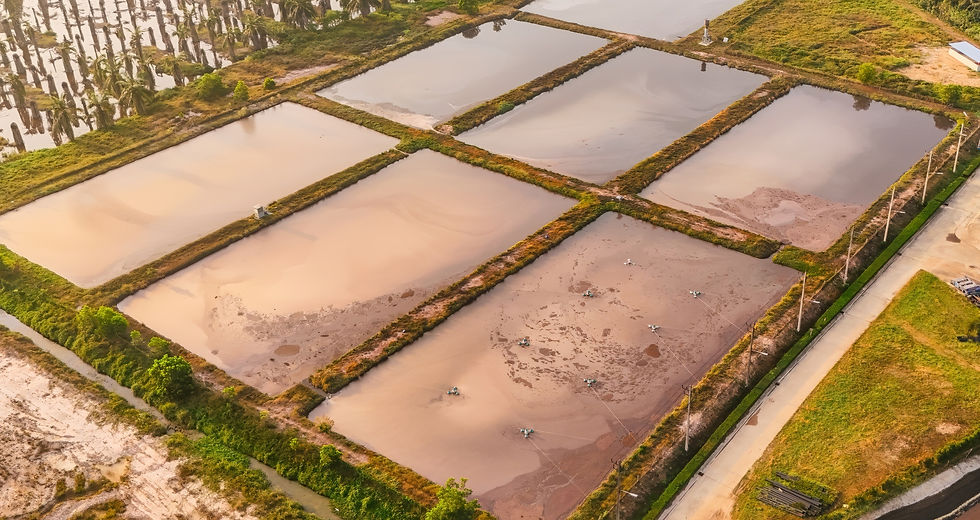
Hudson G2, a form of attapulgite clay, is a naturally occurring mineral with high surface area and adsorption characteristics. Unlike pharmaceuticals, attapulgite clay does not break down into biologically active molecules that persist in water and tissues. Its physical and chemical properties — including the ability to adsorb organic waste, bind ammonia and nitrite, and support robust microbial biofilms — make it a promising candidate for improving water quality and health outcomes in aquaculture systems without contributing to antibiotic contamination.
By reducing reliance on antibiotics, Hudson G2 may help mitigate the risk of residues entering surrounding waterways and wild fisheries, which is central to maintaining antibiotic‑free seafood exports to markets such as China and preserving the health of species like abalone and rock lobster that underpin Tasmania’s marine economy. In addition, because Hudson G2 is a natural mineral substrate, it avoids many of the environmental persistence and resistance selection pressures associated with antibiotic use, aligning more closely with international trade standards that favour antibiotic‑free certification and sustainable seafood practices.
Transitioning from Antibiotics to Non‑Chemical Health Strategies
The Tasmanian salmon antibiotic saga underscores the critical need for aquaculture strategies that are:
Environmentally sustainable
Free of chemical residues
Compatible with global export market requirements
Supportive of ecosystem health
Resilient against disease without driving resistance
In this context, Hudson G2 represents a class of natural mineral intervention worthy of structured scientific evaluation. Its use could form part of an integrated aquaculture health strategy that supports microbial cycling and water quality while reducing the environmental footprint and trade risks associated with antibiotic use.
Hudson Resources remains committed to pioneering research and development in sustainable aquaculture solutions. We invite fishery operators, industry partners, associations, and government agencies to collaborate with us in exploring how our raw ore and Hudson G2 can support the fishing economy, reduce reliance on antibiotics, and safeguard the health of our waters. By working together, we aim to enhance fish growth and disease resilience naturally, ensure the safety of seafood for human consumption, and contribute to a future where aquaculture thrives in balance with the environment. We welcome discussions and inquiries on how Hudson Resources can be part of this sustainable path forward for the industry.
Contact us: hudsonresources@hpgl.com.au
Ph: +61 2 9251 7177


Comments